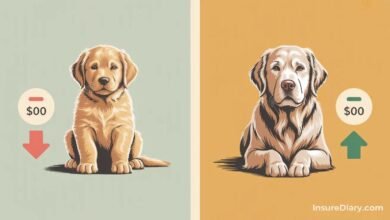


You did everything right. You researched breeds. You found a reputable breeder. You brought home a healthy Cavalier King Charles Spaniel puppy and enrolled her in pet insurance within the first few weeks. Three years later your vet diagnoses her with mitral valve disease — a condition so common in Cavaliers that some cardiologists call it nearly inevitable in the breed.
You file a claim expecting the insurance to kick in. The letter arrives. Denied. Breed-specific hereditary exclusion.
This is not a rare story. It happens to thousands of US pet owners every year. And the frustrating part is that most of them had no idea this exclusion existed when they signed up. Understanding pet insurance hereditary conditions coverage before you need it is exactly what separates a policy that works from one that only looks good on paper.
What Hereditary Conditions Actually Mean in Pet Insurance
Pet insurance in the United States does not follow a single federal standard. Each insurer writes its own definitions. The word hereditary can mean slightly different things depending on which policy you are reading.
A hereditary condition is any health disorder that a dog is genetically predisposed to because of its breed or bloodline. The condition exists in the DNA before birth. Symptoms may not appear for months or even years.
A congenital condition is present at or near birth. Some congenital conditions are hereditary. Others develop from complications during pregnancy or birth. Not every policy covers them the same way. Some plans lump them together under one exclusion. Others treat them as separate categories.
Why does this distinction matter? Because a denied claim can hinge entirely on which category your insurer places your dog’s condition in. A heart murmur caught at a six-week puppy wellness check might be documented as congenital. The same murmur developing at age four might be classified as hereditary. The payout outcome can be completely different.
Understanding what your policy actually says about both terms before you enroll is a practical step that most owners skip.
Which Purebred Breeds Face the Highest Hereditary Risk
Not every purebred carries equal genetic risk. But the breeds most popular with American families also tend to carry the heaviest hereditary health burdens. This is partly a result of generations of selective breeding for specific physical traits that come with unintended health consequences.
According to the North American Pet Health Insurance Association, hereditary and breed-specific conditions account for a significant share of the highest-cost pet insurance claims filed in the United States.| Dog Breed | Top Hereditary Conditions | Estimated Treatment Cost Range |
|---|---|---|
| French Bulldog | BOAS, IVDD, hip dysplasia, patellar luxation | $3,000 to $14,000+ |
| Golden Retriever | Hip dysplasia, hereditary cancers, heart disease | $2,500 to $15,000+ |
| German Shepherd | Hip dysplasia, degenerative myelopathy, bloat | $2,000 to $10,000+ |
| Cavalier King Charles Spaniel | Mitral valve disease, syringomyelia | $3,000 to $12,000+ |
| Bernese Mountain Dog | Histiocytic sarcoma, elbow dysplasia | $4,000 to $20,000+ |
| English Bulldog | BOAS, hemivertebrae, skin fold issues | $2,500 to $12,000+ |
| Labrador Retriever | Hip dysplasia, progressive retinal atrophy | $1,800 to $8,000+ |
| Doberman Pinscher | Dilated cardiomyopathy, wobbler syndrome | $3,500 to $15,000+ |
Treatment cost ranges are estimates based on current US veterinary pricing data and will vary by region, provider, and severity.
If your breed appears on this list that does not mean good coverage is out of reach. It means you need to spend more time reading policy exclusions than the average pet owner does. For a full comparison of plan types and what each covers, see our article on accident-only vs comprehensive pet insurance.

How US Pet Insurance Policies Actually Handle Hereditary Coverage
There is no federal law in the United States requiring pet insurers to cover hereditary conditions. The National Association of Insurance Commissioners noted in its 2024 pet insurance regulatory guidance that pet insurance remains among the least uniformly regulated insurance products across US states. This places the responsibility squarely on the consumer to understand what they are actually buying.In practice US pet insurance plans fall into three approaches when it comes to hereditary conditions:
Full hereditary coverage with no breed-specific exclusions. These plans cover diagnosed hereditary conditions that develop after the policy effective date and after the applicable waiting period. They cost more. For high-risk breeds they are worth comparing carefully.
Conditional hereditary coverage based on symptom history. This is the most common structure. The insurer covers hereditary conditions only if the dog shows no prior symptoms. Your dog’s medical records get reviewed. If any notation suggests early signs existed before coverage began the claim may be denied entirely.
Full exclusion of hereditary and congenital conditions. These are usually the cheapest accident-only or basic illness plans. They cover infections and broken bones but draw a hard line at anything genetic. For a mixed-breed dog with low hereditary risk this might be acceptable. For a French Bulldog it leaves the biggest risks completely unprotected.
The type of plan you choose is the single most consequential coverage decision you will make for a purebred dog.
The Pre-Existing Condition Problem and Why Timing Is Everything
When you file a claim for a hereditary condition most US pet insurers conduct a full medical record review. They request your dog’s complete veterinary history. A claims reviewer reads through every note looking for any mention of symptoms that could be connected to the condition you are claiming.
If a match is found the condition gets reclassified as pre-existing. Pre-existing conditions are almost universally excluded from coverage across every plan type.
Here is what this looks like: your German Shepherd had a routine vet visit at age two. The vet noted mild rear-end weakness in the exam notes. You did not think much of it at the time. You enrolled in pet insurance at age three. At age five your dog is diagnosed with degenerative myelopathy. The insurer pulls those old records. They find the weakness notation. They connect it to the diagnosis. Claim denied.
Enrolling when your dog is a healthy puppy with a clean medical record eliminates this risk almost entirely. Waiting until your dog is older gives the insurer more documented history to search through.
You should also understand how the pet insurance waiting period affects hereditary condition claims specifically. Orthopedic conditions often carry waiting periods of 6 months or more. General illness waiting periods are typically 14 days. This gap catches many owners off guard.
For a broader discussion of how pet age affects coverage options and premiums, see our article on how pet age affects insurance premiums and coverage options.

What This Looks Like in Practice
Hypothetical scenario for illustration purposes only.
Marcus lives in Denver, Colorado. He adopted a Bernese Mountain Dog puppy named Kodiak in 2022. He enrolled Kodiak in a comprehensive pet insurance plan at 10 months of age. The plan explicitly covered hereditary and congenital conditions. His monthly premium was $94.
When Kodiak turned three his veterinarian diagnosed him with elbow dysplasia in both front legs. The recommended corrective surgery for both elbows came to $6,200 total. Marcus filed a claim. Because Kodiak had no prior documented symptoms and the comprehensive plan was active well before any orthopedic signs appeared the claim was fully processed. After his $250 annual deductible and 80% reimbursement rate Marcus received $4,760 back from the insurer.
Over roughly two years Marcus had paid approximately $2,256 in premiums. His net financial benefit from the policy after premiums was over $2,500.
This outcome was directly tied to choosing the right plan type and enrolling before any symptoms appeared on Kodiak’s veterinary record.
Reading Policy Language: Six Things to Check Before You Sign
Most pet owners spend more time reading product reviews than pet insurance policy documents. That habit is expensive when you own a purebred dog with hereditary risk.
When comparing plans for a high-risk breed check these six things specifically:
- Does the plan explicitly state that hereditary and congenital conditions are covered? The word comprehensive in a plan name does not automatically mean hereditary coverage is included.
- Are there breed-specific exclusions listed anywhere in the policy documents? Ask the insurer directly and request the answer in writing.
- What is the orthopedic condition waiting period? Six months is common. Some plans extend this to 12 months.
- Does the plan use an annual deductible or a per-incident deductible? For chronic hereditary conditions an annual deductible almost always saves more money over time.
- How does the policy define a pre-existing condition? Is it based on documented symptoms or on an official diagnosis? This distinction changes everything during a claim.
- Does the insurer conduct underwriting at enrollment or at first claim? At-claim underwriting creates more uncertainty because you do not know what might be flagged until you actually need the money.
A reputable insurer will answer all of these questions directly before you commit to a policy.
The cost difference between a comprehensive plan that covers hereditary conditions and a basic accident-illness plan for a medium to large purebred dog typically ranges from $30 to $90 per month. That gap is real. But a single orthopedic surgery can cost more than two years of the premium difference.
For a full breakdown of whether pet insurance makes financial sense for your situation, see our article on whether pet insurance is actually worth it.
Bilateral Conditions: The Coverage Trap Most Owners Miss
A bilateral condition is one that can affect both sides of the body. Hip dysplasia is the most common example. Elbow dysplasia is another. Cataracts qualify in many policy documents as well.
Some US pet insurers classify a bilateral condition as a single condition. Once one side is diagnosed and a claim is paid out the insurer may deny future claims for the other side on the grounds that the underlying condition was already documented.
Here is what this looks like in practice: your Golden Retriever is diagnosed with hip dysplasia in the left hip at age four. Your insurer pays the claim. At age five the right hip deteriorates. You file another claim. The insurer denies it stating that the bilateral condition was already identified at the time of the first claim and the right side is therefore considered pre-existing.
This outcome is not universal. Some insurers cover both sides as separate claims. Others draw the line after the first diagnosis. You need to ask this question specifically before you enroll: “How does your policy handle bilateral conditions where only one side is initially diagnosed?” Get the answer in writing.

Does Your State Offer Any Consumer Protection?
The short answer is: not much. But there are some nuances worth knowing.
Pet insurance is regulated at the state level under property and casualty frameworks. A small number of states have enacted specific pet insurance disclosure requirements that force insurers to clearly list exclusions including hereditary condition exclusions before a policy is sold.
California and New York have generally stronger insurance consumer protection environments than most other states. In California the Department of Insurance has pushed for greater transparency in pet insurance policy language. But even in California there is no law that forces an insurer to cover hereditary conditions. The regulation addresses disclosure — not coverage mandates.
Your protection comes entirely from the specific policy you chose and from enrolling at the right time.
Accident-Only vs Comprehensive Plans for Purebred Dogs
Some pet owners consider accident-only plans because the premiums are much lower. For a purebred dog with significant hereditary risk this is usually the wrong trade-off. For a detailed comparison see our article on accident-only vs comprehensive pet insurance.
| Plan Type | Covers Accidents | Covers Illness | Covers Hereditary Conditions | Average Monthly Cost |
|---|---|---|---|---|
| Accident-Only | Yes | No | No | $15 to $30 |
| Basic Accident and Illness | Yes | Yes (limited) | Usually No | $30 to $55 |
| Comprehensive | Yes | Yes | Yes (if disclosed) | $55 to $130+ |
Costs vary significantly by dog’s age, breed, location, and deductible choice. Approximate US national ranges for 2025 to 2026.
For a Labrador or a dog with lower hereditary risk a basic accident and illness plan might provide reasonable protection. For a French Bulldog, Cavalier King Charles Spaniel, or Bernese Mountain Dog the case for a comprehensive plan that explicitly covers hereditary conditions is genuinely strong.
Key Takeaways
Enroll your purebred dog as a puppy. Clean medical records at enrollment eliminate the pre-existing condition risk.
Confirm in writing that hereditary and congenital conditions are covered. Do not assume the word comprehensive guarantees this.
Ask specifically about breed-specific exclusions for your dog’s breed before signing anything.
Check the orthopedic waiting period. It is often 6 months, not 14 days.
Annual deductibles usually save more money for dogs with chronic hereditary conditions than per-incident deductibles.
Ask how bilateral conditions are handled before you sign anything. Get the answer in writing.
If a claim gets denied, request the specific policy language the denial is based on and ask your vet to provide written documentation confirming no symptoms were present before the policy start date. File a formal appeal — many denials based on pre-existing condition determinations are successfully overturned when veterinary documentation supports your case.
Frequently Asked Questions
Many comprehensive plans do cover hip dysplasia if the dog was enrolled before symptoms appeared and the policy explicitly includes hereditary conditions. Orthopedic waiting periods of 6 to 12 months typically apply before this coverage activates. Always confirm hip dysplasia is listed as a covered condition in the policy document before you enroll.
Yes, but only if you choose a plan that explicitly covers hereditary and congenital conditions. A basic or accident-only plan for a French Bulldog leaves the most likely health problems completely uncovered. A single BOAS surgery or IVDD treatment can easily exceed $8,000 which makes the premium difference worth evaluating carefully.
You can enroll. But the diagnosed condition will be classified as pre-existing and excluded from coverage going forward. Pet insurance does not work retroactively. Some conditions that are considered hereditary but have not yet been diagnosed may still be coverable depending on the specific plan.
A bilateral condition is one that can affect both sides of the body. Some insurers treat both sides as a single condition — once one side is claimed the other may be denied as pre-existing. Other insurers cover each side separately. Ask this question specifically before buying any plan for a breed prone to bilateral orthopedic disease.
If your dog develops a hereditary condition after the policy effective date and after the applicable waiting period, and there is no prior documentation of related symptoms, most comprehensive plans will cover the diagnosis and treatment. The key factors are timing of enrollment, what the medical records show before the policy start date, and whether the specific condition is listed as covered rather than excluded.
No. Disclosure requirements vary by state. Some states like California have pushed for greater transparency in policy language. But no US state currently mandates that insurers must cover hereditary conditions. Reading the full policy document before purchasing is the only reliable protection.
Disclaimer: This article is for educational purposes only and does not replace professional insurance or veterinary advice. Coverage terms differ by insurer and by state. Always read your full policy document and speak with a licensed insurance professional before making any coverage decisions.
Last Updated: June 2026