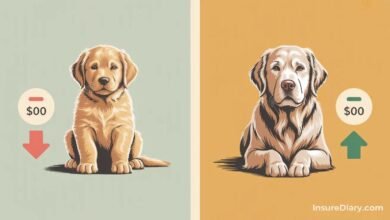
Accident-Only vs Comprehensive Pet Insurance: Which Plan Is Right for Your Pet?


When you begin looking into pet insurance, the first real decision you face is also one of the most important: do you choose a lower-cost accident-only plan, or do you pay more for comprehensive coverage that includes illness?
The answer depends on your pet’s age, breed, medical background, and your financial situation. This guide walks through both plan types honestly — what each covers, where each falls short, and how to think through the decision for your specific circumstances.
If you are still deciding whether pet insurance is worth the monthly cost at all, start with our overview article on whether pet insurance is actually worth it before comparing plan types.
What Accident-Only Pet Insurance Covers
Accident-only plans cover injuries that happen unexpectedly — a broken leg, a swallowed object, a bite wound from another animal. These plans are designed for sudden physical events, not illness or disease. They are priced lower than comprehensive plans, which makes them an option for pet owners where budget is genuinely a limiting factor.
What a standard accident-only plan typically covers:
- Bone fractures and breaks
- Cuts, lacerations, and bite wounds
- Ingested foreign objects requiring removal
- Poisoning and toxic ingestion
- Eye and ear injuries from trauma
- Emergency veterinary visits for accident-related care
What accident-only plans do not cover:
- Illnesses of any kind
- Hereditary and congenital conditions
- Cancer treatment
- Chronic disease management
- Ongoing medications for long-term conditions
- Routine and preventive care
If your pet develops diabetes, cancer, hip dysplasia, or any illness — none of those costs are covered under an accident-only plan. That gap matters and is worth understanding clearly before selecting this plan type. Our dedicated guide on pet insurance for hereditary conditions explains which breeds face the highest exclusion risk and what to look for in policy language.
What Comprehensive Pet Insurance Covers
Comprehensive pet insurance — often called accident and illness coverage — includes everything in an accident-only plan plus a wide range of illnesses, chronic conditions, and in many cases hereditary disorders.
According to the North American Pet Health Insurance Association (NAPHIA), the majority of pet insurance sold in North America is of the accident and illness type — which reflects how most pet owners ultimately evaluate the long-term risk.What comprehensive plans typically include:
- All accident coverage included in accident-only plans
- Bacterial and viral infections
- Cancer diagnosis and treatment
- Chronic conditions including diabetes
- Allergies and skin conditions
- Hip dysplasia and other joint issues
- Neurological conditions
- Heart disease
- Diagnostic imaging including X-rays, MRIs, and ultrasounds
- Specialist referrals
- Prescription medications for covered conditions
Wellness add-ons covering vaccinations, annual exams, and dental cleanings are available from some providers as optional riders. These are not included in standard comprehensive plans and cost extra.

Side-by-Side Comparison
| Feature | Accident-Only | Comprehensive (Accident + Illness) |
|---|---|---|
| Emergency injury coverage | Yes | Yes |
| Illness coverage | No | Yes |
| Cancer treatment | No | Yes (most plans) |
| Hereditary conditions | No | Yes (varies by provider) |
| Chronic disease management | No | Yes |
| Routine and preventive care | No | With optional add-on |
| Typical monthly premium | Lower | Higher |
| Best suited for | Young, healthy pets with constrained budgets | Most pets, especially older or purebred animals |
Note: Premiums vary significantly based on your pet’s species, breed, age, and location. Always get actual quotes before comparing costs.
The Financial Reality: What Veterinary Care Actually Costs
The premium difference between accident-only and comprehensive plans can seem like a straightforward saving. The true financial picture only becomes clear if your pet develops an illness that accident-only coverage does not address.
The American Veterinary Medical Association maintains a pet insurance consumer resource page that includes guidance on understanding what different plan types realistically cover — including typical cost ranges for common conditions.Some reference points on what veterinary care actually costs without insurance:
- Cancer treatment in dogs: several thousand dollars to over $10,000 depending on type and stage
- Chronic conditions like diabetes: ongoing management costs that accumulate substantially over time
- Orthopedic surgeries such as hip dysplasia repair: among the most expensive procedures in veterinary medicine
The accumulated savings from a lower monthly premium on an accident-only plan can be erased by a single diagnosis the plan does not cover.
When Accident-Only Coverage Makes Sense
Consider accident-only if:
- Your pet is young and currently in excellent health — young pets have statistically lower illness rates
- You maintain a dedicated veterinary emergency fund of sufficient size to cover illness treatment out of pocket
- Your only alternative is no coverage at all — accident-only protection against major unexpected injuries is meaningfully better than no coverage
- Your pet is a healthy mixed-breed dog — mixed breeds typically have a broader genetic pool and somewhat lower inherited condition risk
One important caveat on starting with accident-only and upgrading later: when you switch insurers or upgrade within the same company, any condition your pet has been diagnosed with, treated for, or shown symptoms of before the new coverage starts can be classified as a pre-existing condition and excluded from the new plan. The conditions that develop during your accident-only period are often the exact conditions you would want a comprehensive plan to cover.

When Comprehensive Coverage Is the Smarter Choice
Choose comprehensive coverage if:
- Your pet is a breed with known health predispositions
- Your pet is entering middle age or older — illness risk increases with age
- You are a first-time pet owner and cannot predict your specific pet’s health trajectory
- You want the ability to make veterinary decisions based on your pet’s health needs rather than out-of-pocket cost considerations
Our article on how pet age affects insurance premiums and coverage options explains in detail how enrollment timing interacts with both premium pricing and pre-existing condition exclusions — one of the most important factors in this decision.
Breed-Specific Health Risks Worth Knowing
Your pet’s breed genuinely affects which plan type makes more financial sense. Some breeds have well-documented tendencies toward specific conditions that generate meaningful ongoing veterinary costs.
| Breed | Commonly Associated Conditions | Notes |
|---|---|---|
| French Bulldog | Respiratory issues, spinal problems | Brachycephalic breeds often have higher vet costs |
| Golden Retriever | Higher cancer incidence | Cancer coverage is especially relevant |
| German Shepherd | Hip dysplasia, joint issues | Orthopedic coverage worth prioritizing |
| Persian Cat | Kidney disease (polycystic) | Chronic management costs accumulate |
| Labrador Retriever | Joint issues, weight-related conditions | Active breeds face injury and illness risks |
| Cavalier King Charles Spaniel | Heart disease | Cardiac conditions can be costly |
| Maine Coon | Hypertrophic cardiomyopathy | Cardiac screening often recommended |
If your breed appears on a list like this, reading your policy’s hereditary condition language carefully before enrolling is essential. Our guide on pet insurance and hereditary conditions covers exactly what to look for in the exclusion language.
How Age Should Influence Your Decision
Under 2 years old: Accident-only can be a reasonable starting point if budget is genuinely constrained. Starting with comprehensive while your pet is young typically means lower premiums and no pre-existing condition concerns going forward.
2 to 5 years old: This is a strong window for comprehensive coverage. Your pet is past the puppy or kitten stage and you still have time to enroll before age-related conditions begin appearing.
6 to 9 years old: Comprehensive coverage becomes increasingly important as illness risk rises. Premiums will be higher than they would have been at younger enrollment, but the coverage value increases alongside the risk.
10 years and older: Options narrow at this stage. Some insurers limit new enrollments for senior pets and premiums can be significant. See our article specifically on how pet age affects insurance coverage and costs for what options remain at senior enrollment.
Understanding the Plan Structure: Deductibles, Reimbursement, and Limits
Deductible Types
Annual deductible — You pay once per year and coverage applies to all claims after that. Generally better for pets with ongoing or multiple conditions.
Per-incident deductible — You pay a separate deductible each time a new condition or incident arises. This works well for isolated one-time issues but gets expensive quickly when multiple conditions are involved.
Reimbursement Percentages
Most plans reimburse 70%, 80%, or 90% of covered expenses after your deductible. A higher reimbursement percentage means lower out-of-pocket costs per claim but higher monthly premiums.
Coverage Limits
Plans vary from modest annual limits to unlimited coverage. Do not evaluate a plan by premium alone. Calculate your realistic total annual exposure — your premium plus your deductible plus your share of a potential large claim. That gives a true picture of the actual financial commitment.
Common Mistakes Pet Owners Make When Choosing a Plan
Waiting to enroll until after a health issue appears. Pre-existing conditions are excluded across the industry. Enrolling while your pet is young and healthy is the only way to ensure that conditions which develop later will be covered.
Choosing a plan based only on the monthly premium. The cheapest plan is not always the most cost-effective over time. A plan that does not cover the type of care your pet eventually needs provides limited value regardless of its price.
Assuming comprehensive means complete. Read the specific exclusions. Some comprehensive plans still exclude hereditary conditions, certain breed-specific issues, or particular treatments. Verify rather than assume.
Missing available discounts. Multi-pet households, military families, and customers who bundle insurance products sometimes qualify for reduced premiums. Our broader article on insurance discounts most people miss includes pet insurance bundling options specifically.
Overlooking waiting periods. Most policies include waiting periods — commonly a few days for accidents, up to two weeks for illnesses, and sometimes longer for orthopedic conditions. Coverage is not immediate.

Questions to Ask Before You Buy
Coverage questions:
- Does this plan cover hereditary or congenital conditions for my specific breed?
- What are the waiting periods for accidents versus illnesses versus orthopedic conditions?
- Is the deductible annual or per-incident?
- What is specifically excluded beyond standard exclusions?
Claims questions:
- Do I pay the vet directly and get reimbursed, or does the insurer pay the vet?
- What documentation is required for a claim?
- What is the average reimbursement timeline?
Long-term questions:
- Do premiums increase with age or after claims are filed?
- Is there a lifetime or annual payout limit?
- Under what circumstances can the insurer cancel or non-renew my policy?
Key Takeaways
Accident-only plans cover unexpected physical injuries. They do not cover illness, cancer, chronic conditions, or hereditary disorders.
Comprehensive plans cover both accidents and illness. They cost more monthly but provide meaningfully broader protection for most pets over their lifetime.
Switching from accident-only to comprehensive later carries a real risk: conditions that develop while you are on the lower plan may be classified as pre-existing and excluded from any new plan.
Breed and age are the two most important factors in this decision. High-risk breeds and older pets benefit most from comprehensive coverage.
Never choose a plan based solely on the monthly premium. Calculate your realistic total annual exposure including deductibles and out-of-pocket share of a major claim.
Frequently Asked Questions
It depends on your specific situation. Accident-only coverage provides real protection against unexpected injury costs and is meaningfully better than no coverage at all. For young healthy pets with budget constraints, it is a reasonable temporary measure. For most pets over two years old or any breed with documented health risks, comprehensive coverage provides substantially better long-term value.
Some insurers permit upgrades, but any condition your pet develops during the accident-only period may be classified as a pre-existing condition on the new plan and excluded permanently. This is the most significant risk of starting with accident-only and planning to upgrade later.
Virtually no pet insurer covers pre-existing conditions regardless of plan type. Conditions diagnosed, treated, or showing symptoms before your policy start date are excluded. This is why enrolling while your pet is young and healthy matters so much.
The difference varies by provider, pet age, breed, and location. Getting quotes for both plan types from the same insurer using your pet’s actual details is the most reliable way to see the real cost difference in your specific situation.
Many veterinarians support pet insurance in principle because it allows pet owners to make medical decisions based on their pet’s health needs rather than immediate out-of-pocket cost. The American Veterinary Medical Association provides general guidance on evaluating pet insurance plans at their website.
Disclaimer: The information in this article is for educational purposes only and does not constitute financial, legal, or professional insurance advice. Pet insurance coverage, premiums, exclusions, and eligibility vary significantly by provider, pet breed, age, and location. Always review your specific policy documents and consult a licensed insurance professional before making any coverage decisions.
Last Updated: June 2026