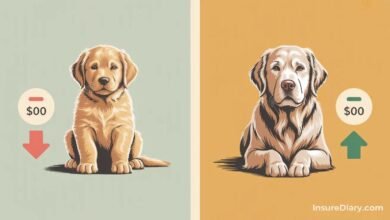


Picture this. Your dog eats something he should not have chewed on. One emergency veterinary visit. One surgery. The bill lands at $4,800.
This situation happens to thousands of American pet owners every year. And the question that follows is almost always the same: is pet insurance actually worth the monthly cost, or is it just another bill eating into your budget?
This article answers that question honestly. It walks through how pet insurance works, what the real numbers look like, and when coverage makes financial sense — and when it does not.
If you already own a policy and are wondering which plan type is right for your pet, see our detailed comparison of accident-only vs comprehensive pet insurance.
How Pet Insurance Actually Works
Pet insurance is not the same as human health insurance. Understanding the difference upfront prevents a lot of confusion at claim time.
You pay a monthly or annual premium to keep your pet covered. When your pet needs veterinary care for a covered illness or injury, you pay the vet bill upfront. Then you submit a claim to your insurer, and the company reimburses you according to your plan terms.
This reimbursement model surprises many first-time buyers. In most cases, the vet does not bill the insurance company directly. You pay first. The insurer pays you back later.
There are three main types of plans available in the US:
Accident-only plans cover sudden unexpected injuries — broken bones, bite wounds, swallowed objects, poisoning, and trauma. These plans are generally the most affordable. They do not cover illness or long-term conditions.
Accident and illness plans are the most common type purchased in the US. In addition to accidents, they cover infections, cancer, diabetes, hip dysplasia, chronic conditions, and a range of other medical diagnoses depending on the specific policy.
Wellness add-ons are optional riders that help offset routine care costs — annual exams, vaccinations, flea prevention, and dental cleanings. These are not included in standard plans and cost extra.
One category is almost never covered regardless of plan type: pre-existing conditions. Any illness or injury your pet was diagnosed with before your policy start date is typically excluded permanently. The American Veterinary Medical Association maintains a consumer guide on evaluating pet insurance plans that covers this exclusion in detail.
The Real Cost of Veterinary Care in the US
Veterinary costs have risen sharply over the past several years. According to data referenced by the Insurance Information Institute, pet healthcare spending in the US continues to climb year over year.Here is what common treatments realistically cost without insurance:
| Procedure | Estimated Cost (USD) |
|---|---|
| Emergency exam and X-rays | $500 to $1,500 |
| Foreign body removal surgery | $1,500 to $5,000 |
| Cancer treatment (chemotherapy) | $3,000 to $10,000 |
| ACL repair surgery | $3,500 to $6,500 |
| Diabetes management (annual) | $1,200 to $3,000 |
| Broken bone treatment | $1,500 to $4,000 |
| Dental extraction | $500 to $1,500 |
These are national averages. Costs vary by region — practices in New York City or San Francisco typically charge more than those in rural areas. A routine year of vet visits might run $300 to $600. One unexpected health event can erase years of savings in a single afternoon.
How Much Does Pet Insurance Cost Per Month?
Your monthly premium depends on several factors: your pet’s age, breed, location, the deductible you choose, and the reimbursement percentage you select.
Age matters most. Older animals cost significantly more to insure because they get sick more often. Our dedicated article on how pet age affects insurance premiums explains exactly how age-based pricing works and when the best enrollment window is for different pet types.
Breed plays a role too — Bulldogs and German Shepherds are prone to joint problems, Maine Coons can develop heart conditions, and insurers price for those known risks. If your pet is a purebred with documented health predispositions, our guide to pet insurance for hereditary conditions covers how different insurers handle breed-specific exclusions.
A general breakdown for 2025 and 2026 US market rates:
| Pet Type and Age | Average Monthly Premium |
|---|---|
| Dog (age 1 to 3) | $30 to $60 |
| Dog (age 4 to 7) | $50 to $90 |
| Dog (age 8 and up) | $80 to $150+ |
| Cat (age 1 to 3) | $15 to $30 |
| Cat (age 4 to 7) | $25 to $45 |
| Cat (age 8 and up) | $40 to $75 |
A higher deductible lowers your monthly premium. A 70% reimbursement plan costs less than a 90% plan. You are essentially choosing how much risk you keep versus how much you transfer to the insurer.

When Pet Insurance Pays Off — and When It Does Not
Pet insurance is not a savings tool. It is a risk transfer tool. You are paying for protection against a financial outcome you want to avoid — a large, unexpected veterinary bill that would seriously strain your budget.
If your pet lives a completely healthy life with only routine visits, you will likely pay more in premiums than you ever receive back. That is how all insurance works. You pay for protection against the worst case, not because the worst case is guaranteed.
Pet insurance tends to make the most financial sense when:
- You have a breed with known health risks such as Cavalier King Charles Spaniels or Great Danes
- Your pet is still young and you are locking in a lower rate before health issues appear
- You do not have $3,000 to $5,000 readily available in emergency savings
- A surprise vet bill of that size would seriously disrupt your household finances
It tends to make less sense when:
- Your pet is already older and pre-existing condition exclusions would cover most likely future treatments
- Your savings could absorb a mid-sized emergency without serious strain
For cats specifically, many owners underestimate indoor risk. Our article on pet insurance for indoor cats addresses why indoor-only status does not eliminate the case for coverage.
The Hidden Details Most Buyers Miss
Annual and lifetime limits. Some plans cap payouts at $5,000 per year. Others go up to $100,000 lifetime. If your dog develops cancer, the difference between those two limits could be $40,000 or more.
Waiting periods. Most insurers require a waiting period of 14 days for illness coverage and 2 to 5 days for accidents after enrollment. Buying a policy the day your pet gets sick will not help.
Bilateral condition exclusions. If your dog injures one knee and the insurer covers it, they may later deny claims for the other knee. Many policies treat both sides of the body as related.
Reimbursement basis. Some policies reimburse based on your actual vet bill. Others use a benefit schedule that sets a fixed dollar amount per procedure. Benefit schedule plans often pay out less than actual-cost plans in high-cost areas.
The North American Pet Health Insurance Association (NAPHIA) publishes annual industry data that can help you understand which plan structures are most common and how the market is evolving.
Alternatives to Pet Insurance
Some pet owners maintain a dedicated pet emergency savings fund — setting aside $50 to $100 per month into a separate account. The problem with this approach is timing. The emergency might arrive before the fund has grown.
CareCredit is a financing option many veterinary practices accept. It allows you to pay bills over time with deferred interest periods. However, the interest rates once the deferred period ends can be significant.
Pet savings accounts and insurance are not mutually exclusive. Some owners carry a mid-level insurance plan alongside a small emergency fund.
How to Choose a Plan That Actually Works
Get quotes from at least three providers using your pet’s actual age, breed, and ZIP code. Compare the reimbursement basis — actual cost reimbursement tends to outperform benefit schedule plans for most real-world vet bills. Check the annual limit and aim as high as your budget reasonably allows.
For a full side-by-side breakdown of what accident-only versus comprehensive plans actually cover, see our detailed guide: Accident-Only vs Comprehensive Pet Insurance: Which Plan Is Right for Your Pet?
The American Veterinary Medical Association’s pet insurance resource page also provides neutral guidance on evaluating plans without commercial bias.Frequently Asked Questions
It can be. Even healthy dogs have accidents, and some breed-related conditions appear without warning. The value depends on your financial cushion. If an unexpected $4,000 bill would seriously strain your budget, coverage provides real peace of mind even for a healthy pet.
The younger the better in most cases. Premiums are lower for young pets and you avoid the risk of conditions being classified as pre-existing later. Our guide on how pet age affects insurance covers the enrollment timing question in detail.
Rarely. Most US pet insurers exclude conditions your pet had before the policy start date. Some providers will cover curable conditions after a symptom-free waiting period. Permanent or chronic pre-existing conditions are almost always excluded permanently.
Most US pet insurance plans let you use any licensed veterinarian including specialists and emergency clinics. Unlike human health insurance there are generally no in-network or out-of-network restrictions. Always confirm this with your specific provider before enrolling.
Most plans offer 70%, 80%, or 90% reimbursement after your deductible. A 90% plan costs more per month but leaves you paying less when a large claim hits. If your primary goal is protection against major unexpected bills, choose the highest reimbursement percentage your budget allows.
Dental coverage varies widely. Accident-related dental injuries like a broken tooth are often covered by accident and illness plans. Routine dental cleaning and extractions due to disease are often excluded unless you add a wellness rider.
The Most Common Pet Insurance Mistakes — And How to Avoid Them
Most pet owners who end up disappointed with their insurance made at least one of these mistakes at the time of purchase. Understanding them before you sign up prevents expensive surprises later.
Waiting until your pet is already sick. This is the single most costly mistake in pet insurance. Pre-existing conditions are excluded from coverage across virtually every US insurer. If your dog has been diagnosed with hip dysplasia or your cat has a kidney issue on record, those conditions will not be covered under any new policy. The time to buy is before health issues appear.
Choosing a plan based entirely on the monthly premium. A $35-per-month plan sounds more attractive than a $65-per-month plan. But if the cheaper plan has a $2,500 per-incident deductible and pays only 70% of covered costs, your out-of-pocket exposure on a $6,000 surgery could exceed $3,000. Calculate the total realistic out-of-pocket cost under each plan before deciding.
Not reading the exclusion list. Every plan has one. Some exclude bilateral conditions — meaning if your dog injures one knee, the other knee may later be classified as pre-existing. Some plans exclude specific breeds entirely for certain conditions. Breed-specific exclusions are not always prominently disclosed in marketing materials. Request the full exclusion list before purchasing. Our guide on pet insurance and hereditary conditions covers how these exclusions work in detail.
Assuming all plans are similar. Two plans priced at similar premiums can have dramatically different coverage structures. One may use actual cash value reimbursement while the other uses replacement cost. One may have an annual deductible while the other uses a per-incident deductible. One may have a $5,000 annual limit while the other has no limit. These structural differences matter far more than the headline price.
Forgetting to account for the waiting period. Most US pet insurers apply a waiting period after enrollment — typically 14 days for illness coverage and 2 to 5 days for accidents. Some plans impose orthopedic waiting periods of 6 to 12 months. If your pet develops a condition during this window, the claim will be denied. Do not buy insurance and then assume immediate coverage exists.
How to Compare Pet Insurance Plans Before You Buy
Getting the right plan requires comparing the right metrics. Here is a practical framework for evaluating any two plans side by side.
Step 1: Confirm what is covered. Is this an accident-only plan, an accident and illness plan, or a comprehensive plan with hereditary condition coverage? For the specific conditions most likely to affect your pet’s breed, are they explicitly listed as covered or excluded?
Step 2: Understand the reimbursement structure. Does the plan reimburse based on your actual vet bill (actual cost reimbursement) or based on a fixed fee schedule (benefit schedule)? Actual cost reimbursement typically pays more in high-cost areas.
Step 3: Calculate your realistic deductible exposure. Is the deductible per incident or annual? For a pet with a chronic condition, an annual deductible saves more over time because you pay it once per year. Per-incident deductibles compound quickly when multiple conditions are being managed.
Step 4: Check the annual and lifetime limits. A plan with a $5,000 annual limit provides minimal protection for a pet with cancer or a chronic neurological condition. Aim for annual limits of $10,000 or higher. Unlimited plans exist and may be worth the additional premium for high-risk breeds.
Step 5: Verify the waiting periods. For a breed prone to orthopedic conditions, a 12-month waiting period means your dog would need to be enrolled before age two or three to be fully protected before those conditions typically appear.
Step 6: Confirm the claims process. Does the plan pay the vet directly or reimburse you after the fact? Reimbursement is more common in the US. How long does the average claim take to process? What documentation does the insurer require?
The American Veterinary Medical Association maintains a neutral checklist of evaluation criteria for pet insurance plans that is worth reviewing before making a final decision.
What Happens When You Need to File a Claim
Understanding the claims process before an emergency happens removes one layer of stress from an already difficult situation.
Step 1: Take your pet to your chosen veterinarian. Pay the bill. Most US pet insurance plans require you to pay the vet first and submit for reimbursement afterward.
Step 2: Request an itemized invoice and medical records from your vet. Your insurer will need both to process the claim accurately.
Step 3: Submit your claim through the insurer’s online portal, mobile app, or paper form — depending on the company. Most major insurers in the US have moved to digital claim submission.
Step 4: The insurer reviews the claim against your policy terms, your pet’s documented medical history, and any applicable waiting periods.
Step 5: Reimbursement is issued, typically by check or direct deposit, within 5 to 30 days depending on the insurer and claim complexity.
Important: Keep records of all your pet’s veterinary visits from the beginning of coverage. A well-documented history showing that a condition developed after your policy started is your strongest protection against a pre-existing condition denial.
According to the North American Pet Health Insurance Association, the average claim processing time in the US has shortened significantly in recent years as insurers have moved to digital-first systems. If your claim is denied, you have the right to appeal. Request the specific policy language the denial was based on, gather veterinary documentation supporting your position, and submit a formal written appeal.Disclaimer: The information in this article is for educational purposes only and does not constitute financial, legal, or professional insurance advice. Coverage terms, regulations, and pricing vary by insurer, state, and individual policy. Always consult a licensed insurance professional before making any coverage decisions.
Last Updated: June 2026